







Iranian Cancer Pharmaceutical Plant Hit by U.S.-Israeli Aggression
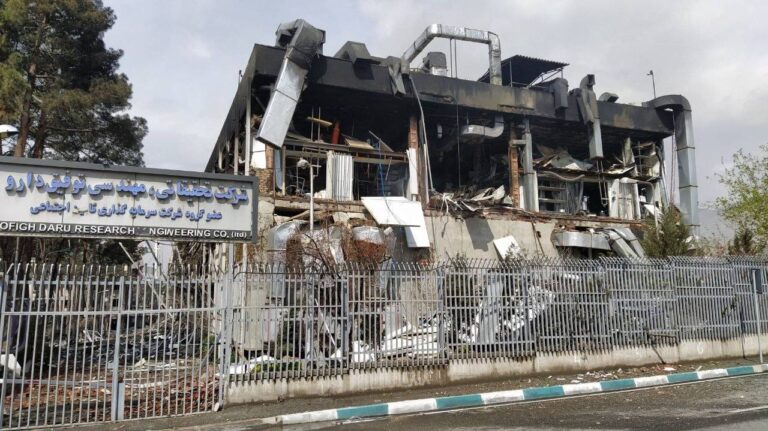
The Tofigh Daru pharmaceutical research and production facility in Tehran was the new target of aggression by the U.S. and Israel. Photo: @IranNuances.
March 31, 2026 Hour: 5:57 pm
🔗 Comparte este artículo
Iran reported on March 31 that the United States and Israel attacked the Tofigh Daru pharmaceutical company in Tehran, a facility critical for Iran’s health sovereignty and cancer treatment production.
Iranian media outlets reported on Tuesday that the United States and Israel executed an attack against the Tofigh Daru pharmaceutical company, located in the Iranian capital, Tehran. This research and production center is considered pivotal for Iran’s health sovereignty, as it manufactures critical cancer treatments.
State television confirmed that the bombardment inflicted severe material damage on the building’s facilities. Images circulated by local media corroborate the extensive infrastructure damage following this military aggression. The targeting of a medical production facility marks a perilous escalation in the ongoing conflict, directly impacting civilian access to essential healthcare.
Iran’s Minister of Foreign Affairs, Abbas Araqchi, vehemently condemned the action, characterizing it as a direct attack against civilian infrastructure. Through his social media platforms, the Foreign Minister denounced the aggressors for acting with blatant disregard for fundamental medical facilities.
Araqchi warned that Iran would retaliate against this aggression, emphasizing that Tofigh Daru plays an essential role in manufacturing pharmaceuticals, especially given the difficulties imposed by international sanctions that hinder the importation of basic medical supplies.
This attack, therefore, not only destroys property but actively impedes Iran’s ability to provide life-saving medication to its population, exacerbating a pre-existing humanitarian challenge.
The attack on a facility producing oncological medicines effectively weaponizes the deprivation of medical services and critical supplies for cancer patients, transforming essential healthcare into a tool of war. This move not only violates international humanitarian law but also gravely threatens international security by exacerbating suffering among the most vulnerable.
Strategic Sectors Under Attack
Since February 28, Iran has faced a coordinated campaign of aggression from the United States and Israel, which has resulted in over 1,300 killed people, including the Supreme Leader, Ali Khamenei, alongside numerous civilian victims, among them children.
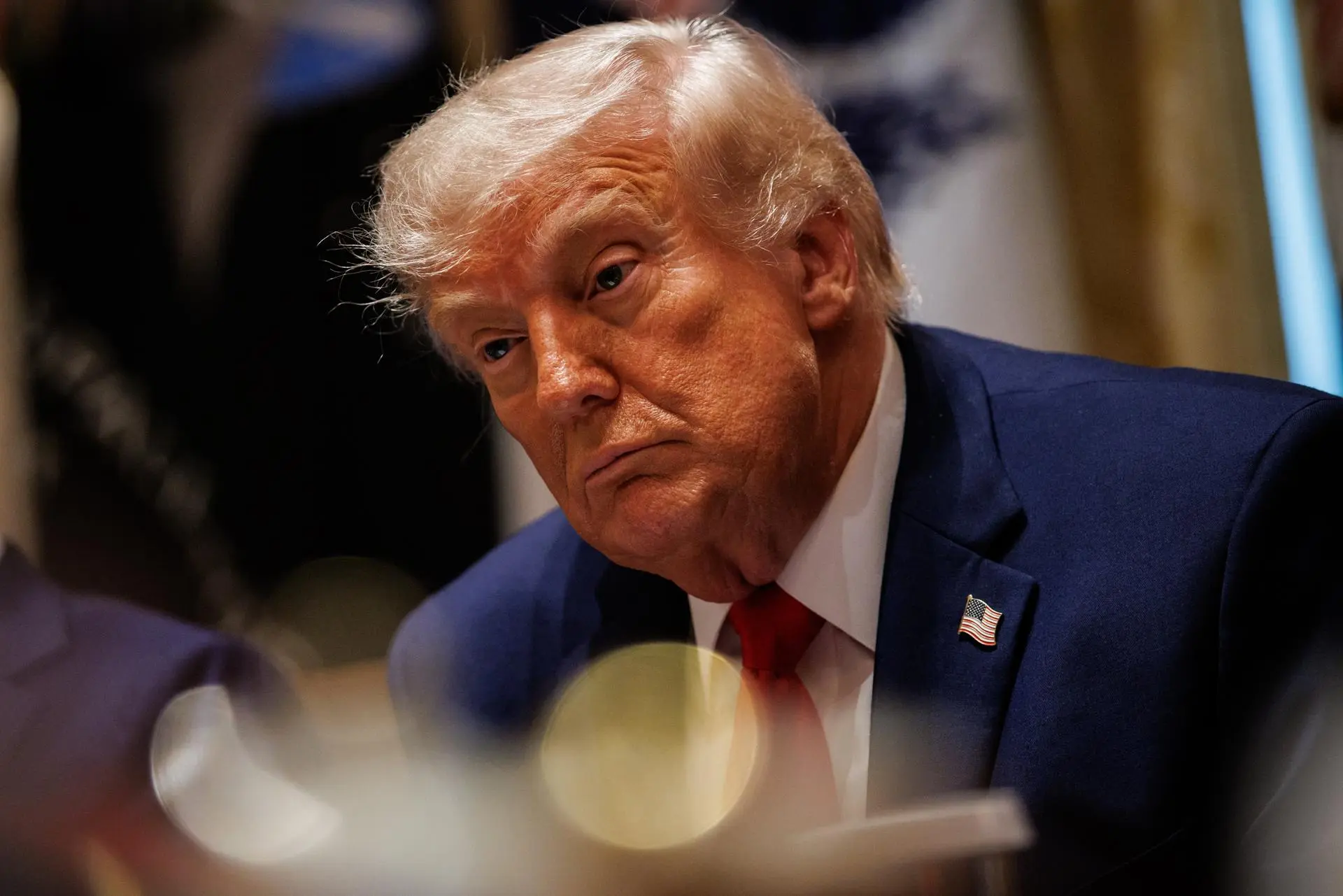
The aggressions have primarily concentrated on energy infrastructure and other strategic sectors. In a continuation of this hostile pattern, U.S. President Donald Trump recently threatened to seize Kharg Island, Iran’s principal oil export terminal. Such actions demonstrate a clear pattern of targeting crucial economic and strategic assets, further destabilizing the region and infringing upon Iran’s national sovereignty.
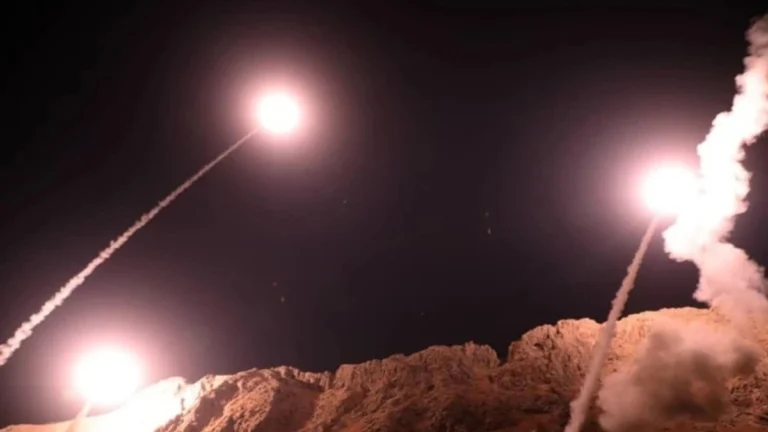
In response to these persistent threats and acts of aggression, Tehran has maintained its forces on maximum alert. Iran has responded with precision missile and drone strikes against military bases and strategic targets within Israeli territory, as well as against United States interests across the Middle East.
In this highly volatile scenario, Iran reaffirms its demonstrated capacity to control the Strait of Hormuz, a geopolitically pivotal chokepoint for global energy trade. This control serves as a crucial deterrent against foreign military presence and the incessant threats to its sovereignty. The mutual escalation underscores the dangerous trajectory of the conflict, with both sides demonstrating their military capabilities and resolve in a region already fraught with tensions.
The bombardment against the Tofigh Daru plant represents a dangerous and morally reprehensible transition in the conflict’s objectives. By shifting targets from military and energy infrastructures to the health sector, the United States-Israeli coalition is deliberately deepening the humanitarian impact on the civilian population.